Poster with passepartout - Van Gogh, Potato Eater 1885
- In stock, ready to ship
- Delivery in 5–7 business days
- Free worldwide shipping* on orders of €60 or more
* For deliveries to countries outside Europe, the United Kingdom (UK), North America, Brazil, and Japan, additional import duties, customs duties, import VAT, or customs clearance fees may apply depending on the respective delivery and production locations. These costs are to be borne by the recipient.
ARTLIA's art prints are produced according to standardized paper and canvas formats.
Depending on the aspect ratio of the original artwork and the chosen format, it may happen that the edges of the image are slightly adjusted to achieve a harmonious overall effect and high print quality.
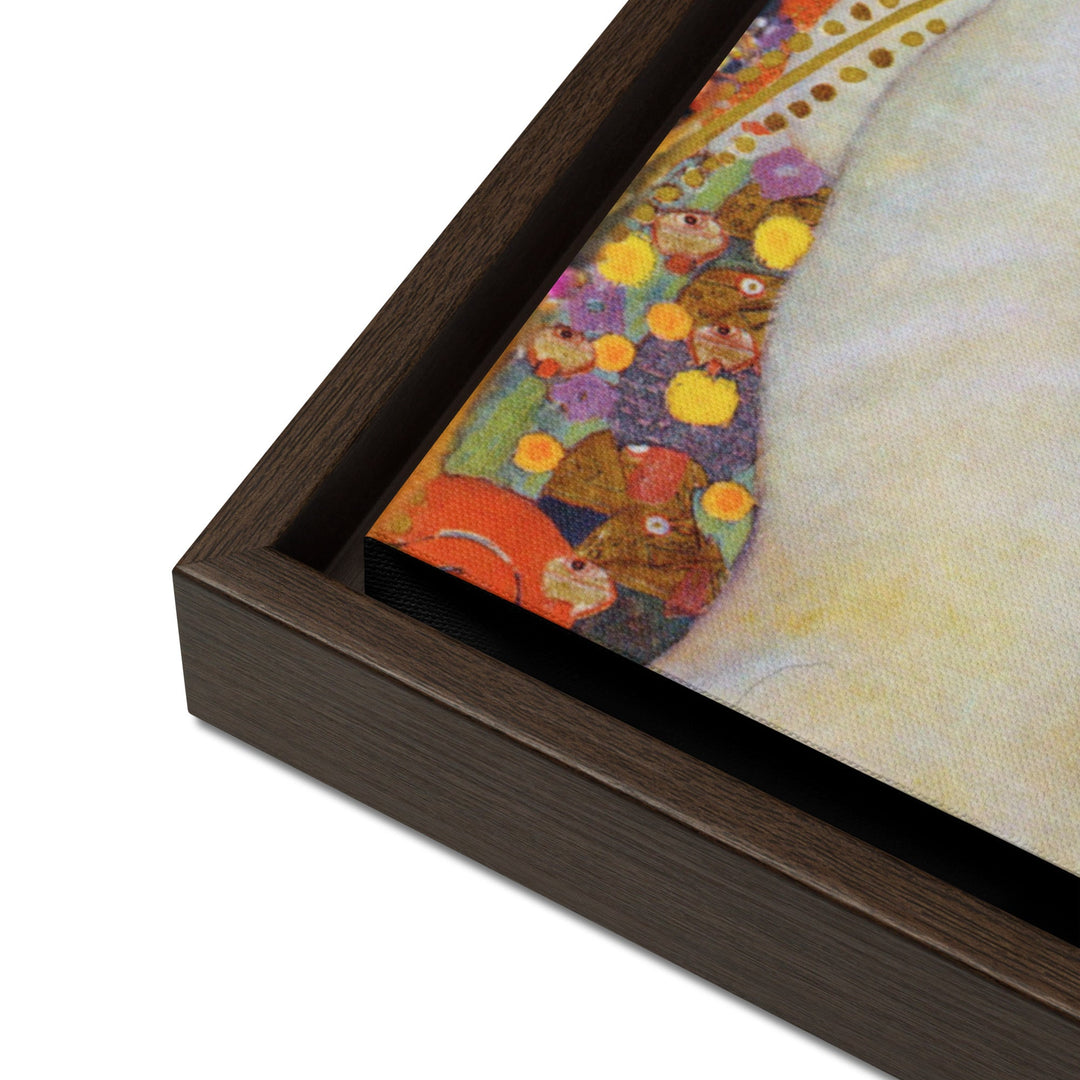
For canvas prints, the ARTLIA team ensures that the main motif is placed as fully as possible on the front side. The side frame areas are continued in color and style to match the original image.
This is a deliberate and common production step with which the ARTLIA team ensures the aesthetic quality of each artwork.
One motif, many styles: discover our diverse collection

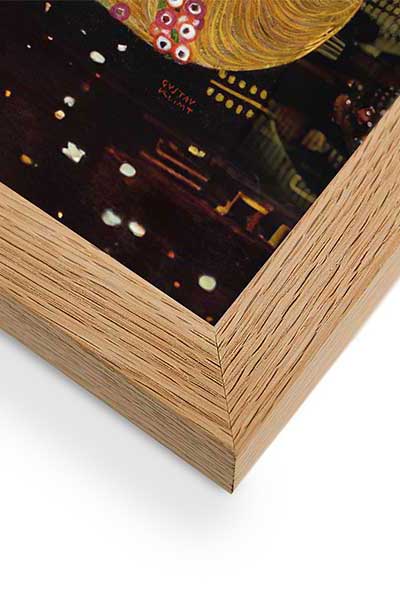
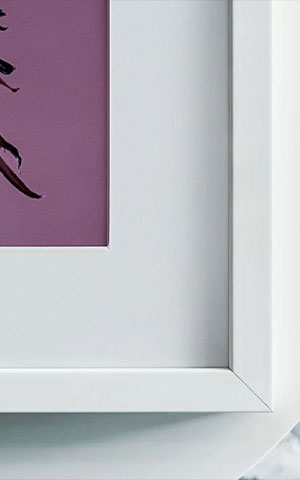
This poster - Van Gogh, Potato Eaters 1885 with a smooth, white, matte cardboard mount will add a smart look to any room. The poster is printed on high quality matte paper and bordered with a semi-hardwood alder frame.
• Paper thickness: 0.26 mm
• Paper weight: 189 g/m²
• Alder, semi-hardwood frame
• Acrylic front protection
• White, matte mount
• Hanging materials included
• 21cm x 30cm posters correspond to A4 size
The Katoffelesser, 1885
This work, "The Potato Eaters" by Vincent van Gogh, was created in 1885 and is one of his early works. It is very different from the better known and more colorful paintings he is famous for. "The Potato Eaters" is an expressionist image depicting a group of farmers gathered around a simple meal of potatoes.
-
subjects: The painting depicts five people sitting at a rustic wooden table in a poorly lit room. Four of them are farmers, and the fifth person is probably the mother of the group. They eat a simple, humble meal of potatoes, which was a staple diet for many rural people at the time.
-
Lighting and Atmosphere: The painting is characterized by a dark and gloomy atmosphere. Van Gogh used a limited color palette dominated by earthy, sombre tones to depict the hardships and poverty of peasant life. The dimly lit room is illuminated by a single light source, probably an oil lamp, which casts deep shadows on the faces and surroundings, adding to the sense of realism and seriousness in the scene.
-
representations of the figures: Van Gogh paid particular attention to the details of the farmers' faces and hands. Her weathered, wrinkled and cracked skin reflects the hardships of her life. The characters' faces are marked by hard work and poverty, and their expressions are stoic and thoughtful.
-
Symbolism and social criticism: “The Potato Eaters” is often seen as a commentary on the harsh living conditions and daily struggle for survival of the rural population. Van Gogh wanted to portray the dignity and authenticity of her life in this painting. It differs from his later, more colorful works as it shows his interest in depicting the realities of everyday life, particularly those of the less privileged.
-
influence and style: The painting shows the influence of the dark and dramatic works of artists such as Jean-François Millet, whose paintings often focused on rural life and the hardships of rural people. Van Gogh's own evolving style is evident in the painting's powerful, heavy brushwork and rough, textured surface.
"The Potato Eaters" is of great importance in Van Gogh's work as it marks an important early phase in his artistic development. It shows his deep compassion for the working class and his desire to portray human existence in all its complexity. This painting differs greatly from his later works, which are characterized by brighter colors and a more expressive, post-impressionist style.
Vincent van Gogh
Blog article: About life and artistic legacy